
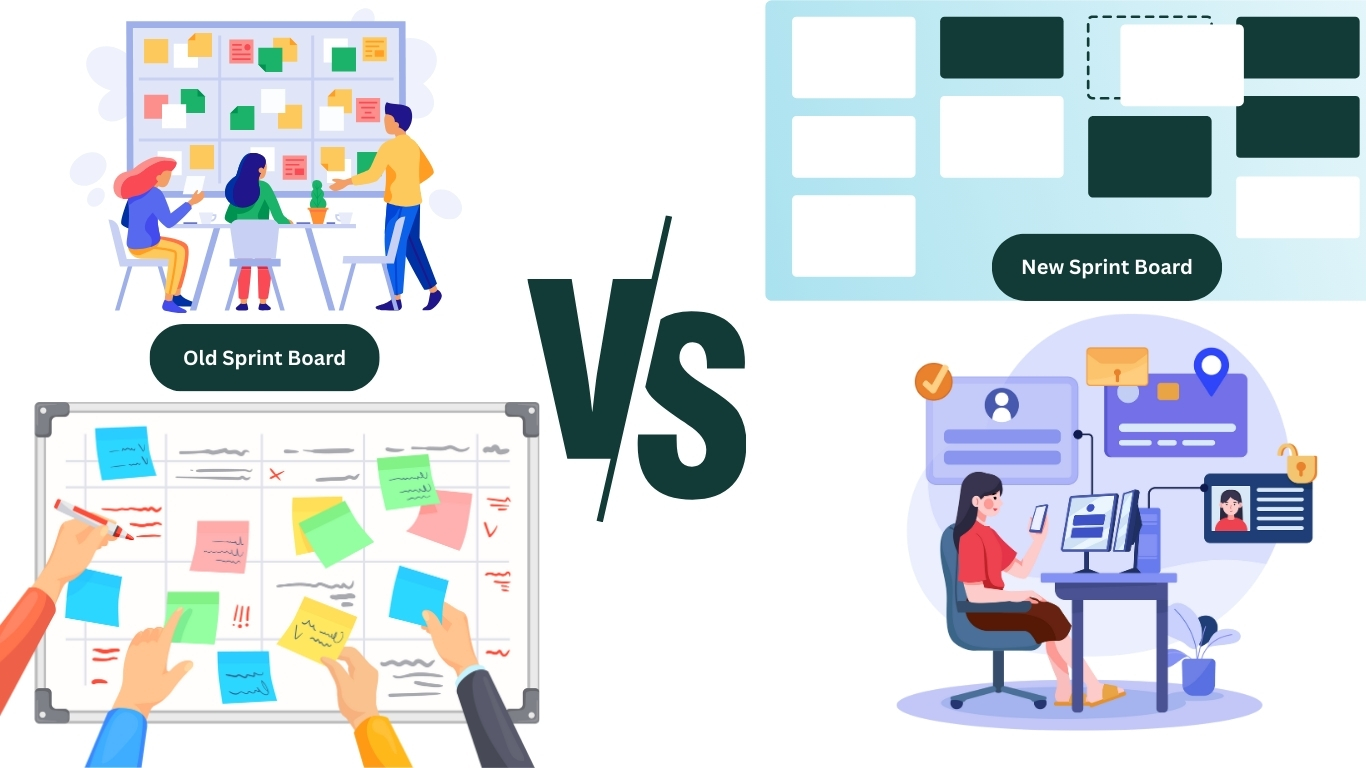
Traditional Hiring Is Broken
Picture this. A startup founder in Berlin needs a machine learning engineer. He posts the job, waits weeks, screens a mountain of resumes, interviews endlessly, negotiates offers, and finally, three months later—she’s still empty-handed. Meanwhile, her competitors have already shipped their next product update.
Traditional hiring is slow, expensive, and outdated. In 2025, companies don’t have the luxury of waiting months to fill a role. They need agility. They need speed. They need access to the right talent—now.
Talent-as-a-Service (TaaS).
It’s not just a buzzword. It’s a new way of thinking about teams, and it’s flipping the script on how companies scale.
1. What Is Talent-as-a-Service Anyway?
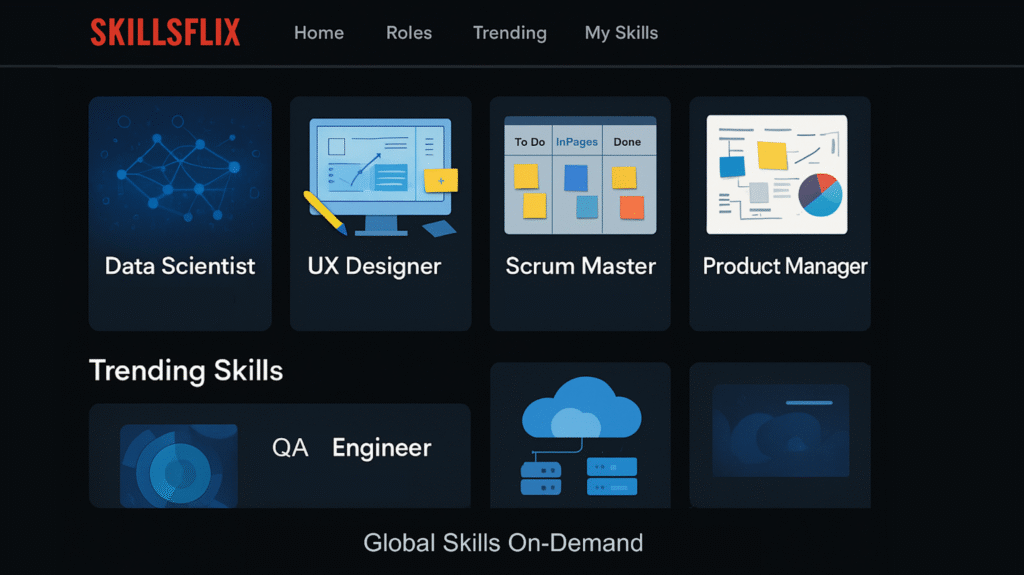
Think of TaaS like Netflix, but for skills. Instead of “owning” talent through full-time contracts, companies subscribe to skills as they need them.
- Need a data analyst for three months? Done.
- A product manager for the next product launch? Plug them in.
- A UX designer to reimagine your mobile app? On-demand.
Platforms like Toptal, Deel, Andela, and Upwork Enterprise have made this model mainstream. Companies no longer ask, “Who can we hire permanently?” Instead, they ask, “What skills do we need right now—and where can we find them fastest?”
2. Why Companies Are Making the Shift
The reasons are simple, but powerful:
- Cost efficiency: No overheads of office space, long-term benefits, or bloated payroll. Pay for the skills you need—nothing more.
- Speed: TaaS platforms can match companies with vetted talent in days, not months.
- Flexibility: Scale teams up or down like Lego blocks, depending on projects.
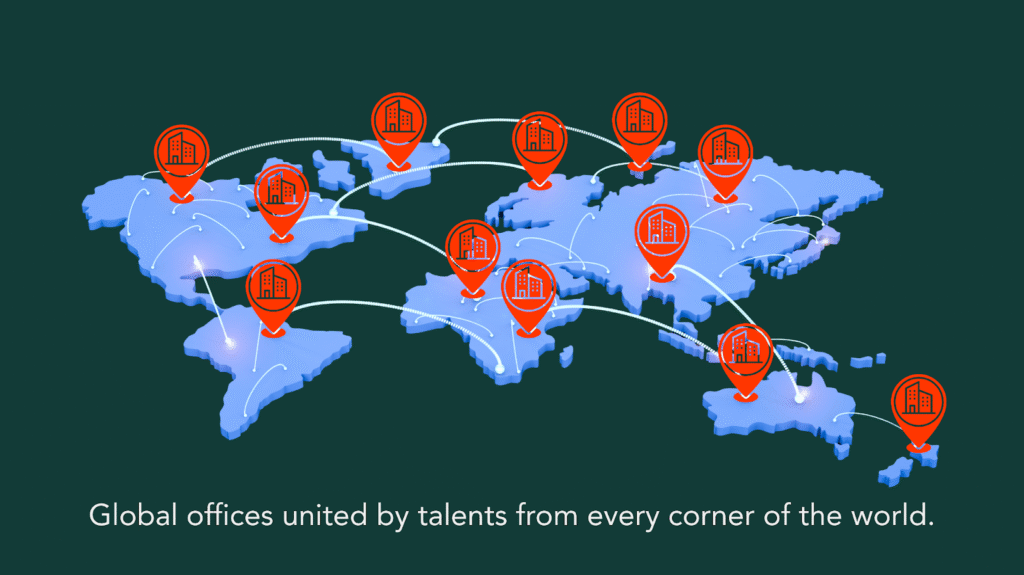
- Global reach: Access to world-class talent pools, no matter where they’re based.
It’s less about saving pennies and more about gaining agility.
3. Real Stories: TaaS in Action
Toptal – Elite Talent at Speed
Take Toptal, which connects companies to the top 3% of freelance developers, designers, and product managers. Airbnb, Bridgestone, and Duolingo have all leaned on Toptal’s network when they needed specialized skills fast. Instead of slogging through traditional hiring, they plugged in world-class talent within days.
Andela – Bridging Africa to the World
Andela started as a talent accelerator in Africa, training software engineers and connecting them to global companies. Today, it operates as a full TaaS platform, helping firms like GitHub and ViacomCBS access remote engineers. One U.S. fintech scaled its development team in weeks—not months—by leveraging Andela’s vetted talent pool across Nigeria, Kenya, and Ghana.
Deel – Compliance + Talent in One
While Deel is famous for handling global payroll and compliance, many companies now use it to assemble project-specific teams. Imagine hiring a cybersecurity expert in Poland, a growth marketer in Argentina, and a backend engineer in Bangladesh—without worrying about contracts, local laws, or payment headaches. Deel makes that seamless.
These aren’t hypotheticals. They’re real-world companies rethinking how work gets done.
4. The Hidden Superpowers of TaaS
Let’s playfully call them the “superpowers” of Talent-as-a-Service:
- The Speed Boost
Instead of 90 days to hire, it’s often less than 10. That’s the difference between leading the market and lagging behind. - The Shape-Shifter
Need a full team today and just one consultant tomorrow? TaaS lets you morph your workforce on demand. - The Risk Reducer
Don’t love the fit? Swap talent without severance costs or HR nightmares. - The Global Connector
The best ideas don’t always live in your city. TaaS lets you connect with specialists across continents instantly.
5. But Wait—What About the Risks?
Of course, nothing’s perfect. Skeptics ask:
- “What about loyalty?”
If someone is hired for three months, will they care about the company’s mission? - “What about culture?”
How do you integrate short-term contributors into long-term teams? - “What about quality?”
How do you know you’re not hiring someone who just learned the skill yesterday?
Valid concerns. But platforms like Toptal and Andela have rigorous vetting processes. Deel and Upwork Enterprise provide ongoing support and project oversight. Smart companies mitigate risks by:
- Treating TaaS talent as partners, not “outsiders.”
- Onboarding them like any other team member.
- Using pilot projects or test phases before scaling.
Done right, TaaS doesn’t dilute culture—it expands it.
6. Why This Matters in 2025
Work has become too fast-paced for the old model. Traditional hiring is like buying DVDs in an age of streaming—it feels outdated, clunky, and slow.
TaaS is lean, scalable, and global. It allows startups to punch above their weight and enterprises to stay nimble. In fact, Gartner predicts that by 2030, nearly 50% of large enterprises will rely on on-demand talent platforms to staff critical projects.
The question isn’t whether Talent-as-a-Service is viable. It’s whether traditional hiring can keep up.
Final Thought
We’re witnessing a paradigm shift. Companies that embrace TaaS gain speed, agility, and access to a worldwide brain trust. Those that cling to old-school hiring will bleed time, money, and opportunity.
In 2025, the smartest companies don’t “own” talent—they partner with it.
Because in a world that moves this fast, agility isn’t a perk—it’s survival.