
Hiring has always been expensive. From the glossy job ads to endless interview rounds, relocation packages, and office space overheads — building a team often feels like a luxury only deep-pocketed companies can afford.
But something has shifted. Remote hiring isn’t just about finding the right people anymore — it’s about finding them faster, smarter, and cheaper. And in some cases, companies are saving up to 75% in recruitment costs by going global.
Sounds too good to be true? Let’s break down the economics of it.
1. Goodbye Relocation Packages
Once upon a time, hiring a rockstar developer in Eastern Europe meant convincing them to move to London or San Francisco. That came with a hefty price tag: flights, housing stipends, and family relocation support.
Remote hiring wipes this line item completely. Companies now get the same talent without paying for new zip codes.
2. The Office Space Equation
Every new hire used to mean another desk, chair, and free supply of sticky notes. Now? No office, no lease, no furniture.
A case study from Twitter pre-2020 showed they spent over $20,000 per employee annually just on office-related expenses. Remote-first companies cut this to nearly zero. That’s not just saving pennies — that’s millions redirected to growth.
3. Shorter Time-to-Hire = Lower Costs
Traditional hiring is slow. Job fairs, campus visits, endless rounds of HR and manager interviews — it all adds up. Remote hiring platforms slash time-to-hire with better matching, wider talent pools, and asynchronous interviews.
Faster hires mean less money burned in productivity gaps.
4. Access to Global Talent Pools
Economics 101: greater supply = competitive rates. By tapping into global markets, companies avoid bidding wars in saturated local hubs.
For instance, the average cost of a senior software engineer in Silicon Valley is $160,000+ annually, compared to $40,000–$60,000 for equally skilled talent in South Asia or Eastern Europe.
That’s not “cheap labor.” That’s smart arbitrage — businesses paying fairly within local standards while dramatically reducing overall spend.
5. Reduced Attrition Costs
Attrition is an invisible cost. In-office hires often quit due to relocation struggles, rigid work environments, or burnout. Remote employees, however, enjoy flexibility and work-life balance, leading to higher retention.
Fewer resignations mean fewer repeat recruitment cycles — and lower total cost of talent acquisition.
6. Efficiency Through Tools
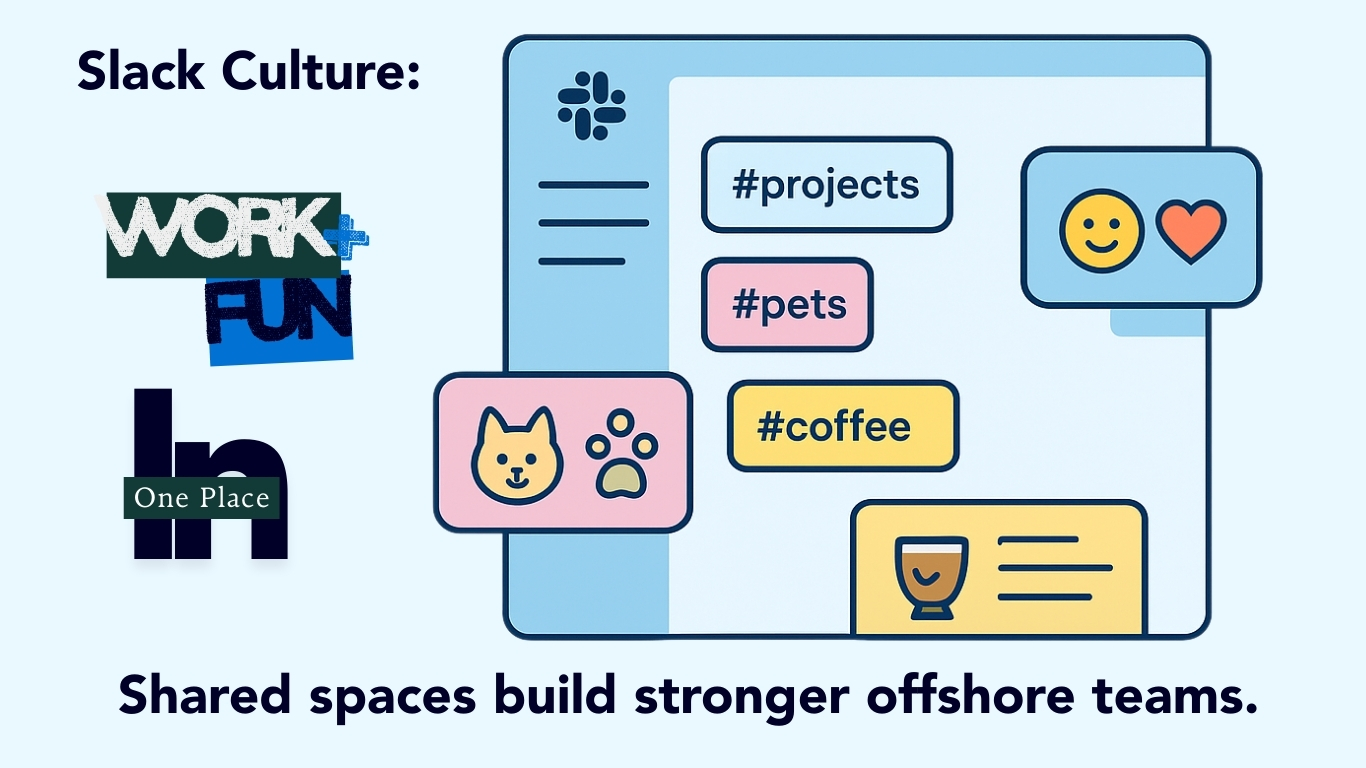
Hiring remotely often requires investing in tools (Slack, Notion, Zoom, ATS systems). But here’s the kicker: those tools cost less than one physical office floor’s electricity bill.
Remote hiring scales more efficiently — the larger you grow, the lower the per-hire operational cost becomes.
Wrapping Up
Remote hiring isn’t just a cultural shift. It’s an economic revolution. Companies embracing distributed teams are discovering that global talent not only broadens their horizons — it fattens their bottom line.
The old model made talent acquisition a cost center. The new model turns it into a strategic advantage. And for forward-thinking companies, saving up to 75% in recruitment costs is just the beginning.