The Remote Revolution Has a New Face
Ten years ago, if you told someone your Product Manager was working from a beachside café in Cox’s Bazar (The largest sea beach in the world, Bangladesh), or your Scrum Master was leading sprint reviews from Dhaka, they’d probably laugh. “How could you possibly manage a product team like that?”
Well, here we are in 2025. Not only is it possible—it’s the norm. The roles once thought to require in-person sticky notes, whiteboards, and daily stand-ups in a cramped office are now being executed flawlessly by professionals scattered across continents.
And they’re not just keeping the wheels turning. They’re driving global innovation.
1. From War Rooms to Zoom Rooms
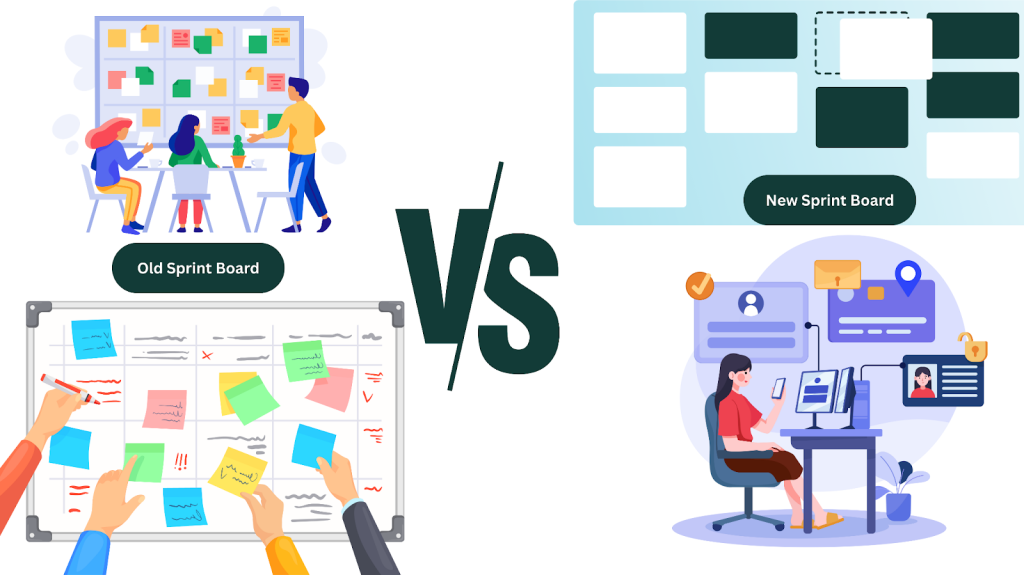
Remember the old corporate “war rooms”? Walls plastered with sticky notes, people huddled over Kanban boards, coffee cups everywhere. It looked impressive, but let’s be honest—it was also chaotic and limited to whoever could physically fit in the room.
Now picture this:
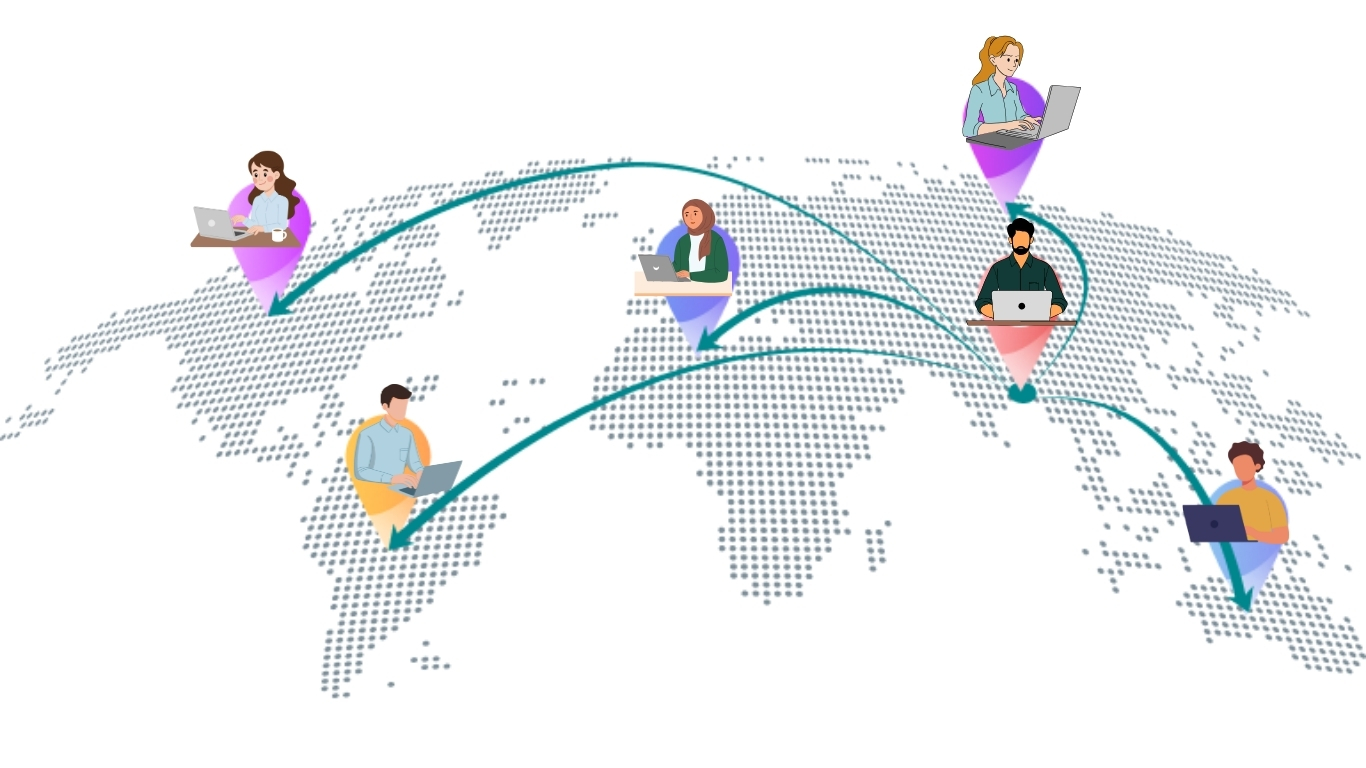
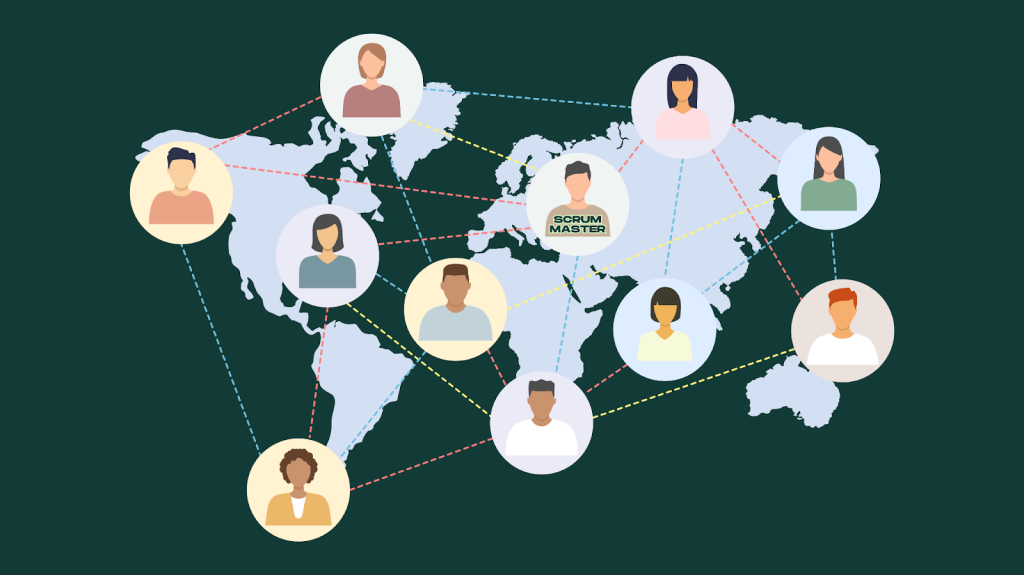
- A Scrum Master in Dhaka kicks off a sprint planning meeting.
- Developers log in from Warsaw, Manila, and Toronto.
- A Product Manager in Nairobi shares a Miro board that looks like a digital universe of sticky notes—organized, color-coded, and accessible 24/7.
No one’s fighting over whiteboard markers. No one’s stuck in traffic. And everyone gets to contribute—whether they’re in an apartment, a co-working space, or halfway across the globe.
The “war room” hasn’t disappeared—it’s just evolved into a borderless, digital playground.
2. Why Remote Works for Product Leaders
Product Managers (PMs) and Scrum Masters thrive on coordination, clarity, and creativity. Ironically, the old office model often got in their way. Too many interruptions, endless status meetings, and limited access to diverse perspectives.
Remote setups flipped the script:
- Clarity by default. Distributed teams force PMs to document everything—roadmaps, priorities, sprint goals—so no one’s left guessing.
- Global user empathy. A remote PM managing team members across countries naturally thinks globally. That mindset seeps into product design, making solutions more universal.
- Innovation through diversity. Different backgrounds = different ideas. When your Scrum team spans three continents, brainstorming sessions turn into mini United Nations gatherings of creativity.
It’s not a compromise—it’s an upgrade.
3. Stories From the Frontlines
- The Fintech (Flutterwave) Revolution in Lagos
A remote Product Manager in Nigeria worked with engineers in Eastern Europe and UX designers in Southeast Asia. Together, they launched a mobile payments app that now serves millions. Would that have been possible if they stuck to “local talent only”? Probably not. - Healthcare (MediBridge) Breakthrough in Toronto
A Canadian startup hired a Scrum Master from India to streamline their development sprints. By aligning global time zones, their cycle time dropped from 4 weeks to 2. Doctors across North America are now using their platform daily. - The Unexpected Innovators (innoFlow)
One PM I spoke to joked, “I’ve never actually met my team in person, but we’ve shipped more features in the last 12 months than I did in the last three years at my old office job.” The kicker? Their product just won an international innovation award.
Remote PMs and Scrum Masters aren’t just “managing.” They’re architecting the future.
4. The Secret Superpowers of Remote PMs & Scrum Masters
Let’s break it down playfully:
- The Time Zone Relay
Work never stops. As Europe logs off, Asia takes over. By the time the U.S. wakes up, tasks have already progressed. It’s like innovation on a conveyor belt. - The Written-Word Ninjas
Remote leaders excel at asynchronous communication. They write clear specs, crisp Jira tickets, and concise sprint updates. No more guessing games. - The Culture Weavers
Scrum Masters, in particular, act as glue. They understand cultural nuances, defuse misunderstandings, and make everyone feel part of one team—even when separated by oceans. - The Innovation Amplifiers
With access to global teams, PMs don’t just build for one market—they build for all. That perspective is pure gold in 2025.
5. Challenges? Of course. But…
Let’s be real—remote product leadership isn’t all sunshine and instant innovation.
- Scheduling nightmares when you’ve got someone in Tokyo and someone in San Francisco.
- Zoom fatigue when every collaboration feels like another video call.
- Cultural friction when “yes” in one culture means “maybe” in another.
But here’s the trick: the best PMs and Scrum Masters have adapted. They set core overlapping hours, use async tools (Loom, Notion, ClickUp), and invest time in cultural sensitivity. They don’t just manage—they lead with empathy.
And in doing so, they’ve turned what used to be “risks” into competitive advantages.
6. Why This Changes Everything
Here’s the big picture:
- Innovation used to be local. Silicon Valley made products for Silicon Valley.
- Now, innovation is global. A feature tested in Bangkok can inform design choices in Berlin. A problem solved in Mexico City might become a product used in New York.
Remote PMs and Scrum Masters are the bridge. They connect global talent, global ideas, and global markets.
In other words: they aren’t just managing sprints—they’re re-writing the DNA of how products are built.
Final Thought
In 2025, the question isn’t “Can a remote PM or Scrum Master really lead?”
They already are. And they’re not just keeping up—they’re setting the pace.
The future of innovation is distributed, diverse, and dynamic. And at the center of it all are the remote leaders turning time zones and Slack channels into engines of global creativity.
So next time someone asks you where your Product Manager is based, you can smile and say: “Everywhere.”